lunes, 1 de junio de 2015

PASSIVE VOICE

The passive vs the active voice:

The Active Voice The Passive Voice
Most countries in Latin America speak Spanish.
Spanish is spoken in most countries in latin America.

Use of the passive voice:

  1. Passive voice is used when the focus is on the action. It is not important or not known, however, who or what is performing the action.
    Example: "A letter was written."
    The focus, here, is on the fact that a letter was written. We don't know, however, who wrote it.
  2. Sometimes a statement in passive is more polite than active voice, as the following example shows:
    Example: A vase was broken.
    Focus, here, is on the fact that a vase was broken, but we don't blame anyone. Compare this to: "You broke the vase."

Form of the passive voice:

Subject + the appropriate form of to be + Past Participle

NOTE: The appropriate form of to be = To be is put in the the tense of the active voice main verb.
When rewriting active sentences in passive voice, note the following:
  • The object of the active sentence becomes the subject of the passive sentence.
  • The form of the verb is the appropriate form of to be (the tense of the active voice main verb) + the past participle.
  • The subject of the active sentence becomes the object of the passive sentence (or is dropped.)
Example:
Active Nancy makes tea
subject verb object
Passive Tea is made (by Nancy)
object becoming subject verb subject becoming object or is dropped 
Simple present passive on line exercises
Simple past passive on line exercises 

martes, 26 de mayo de 2015

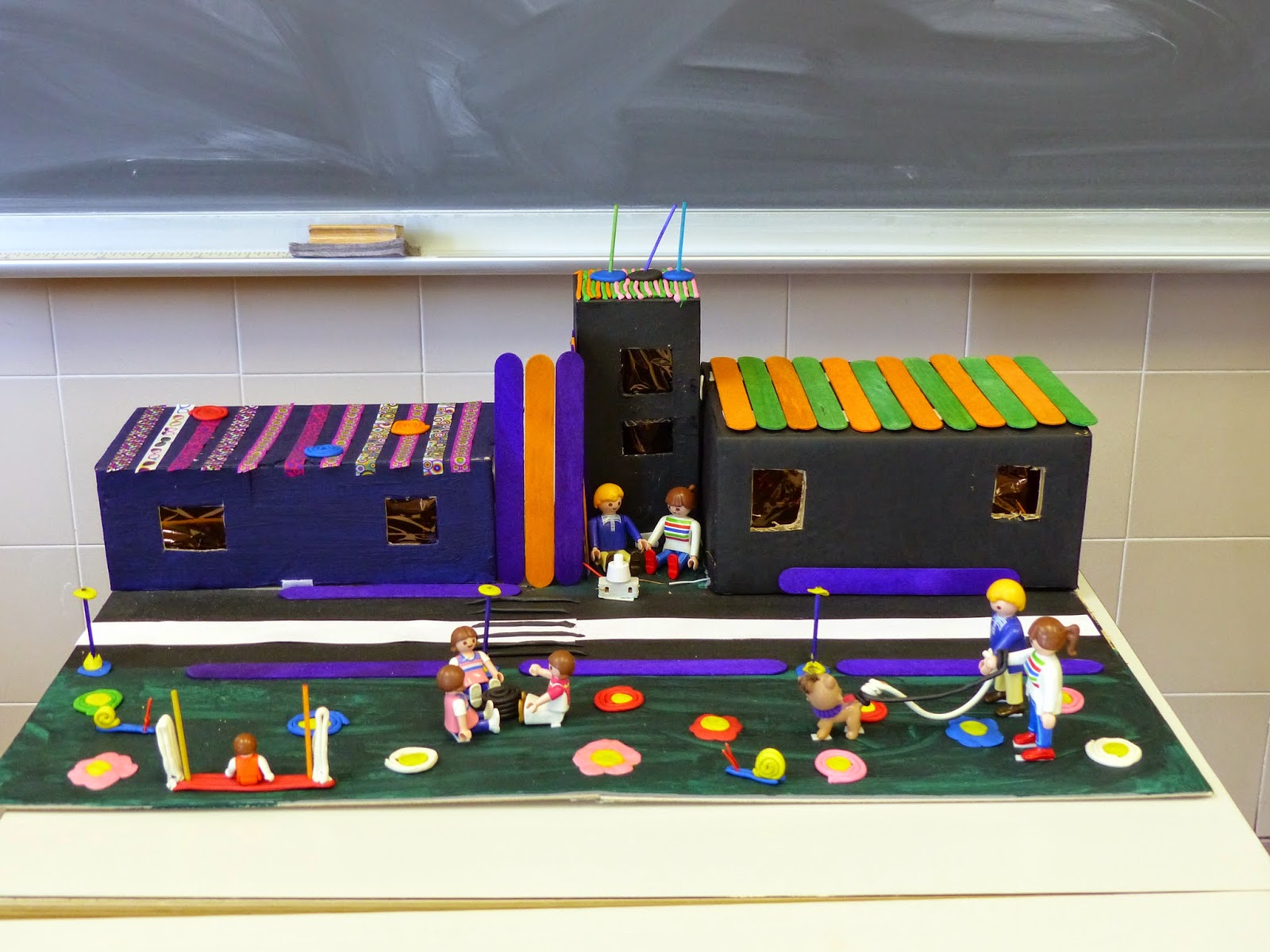
Natural Sciences Projects

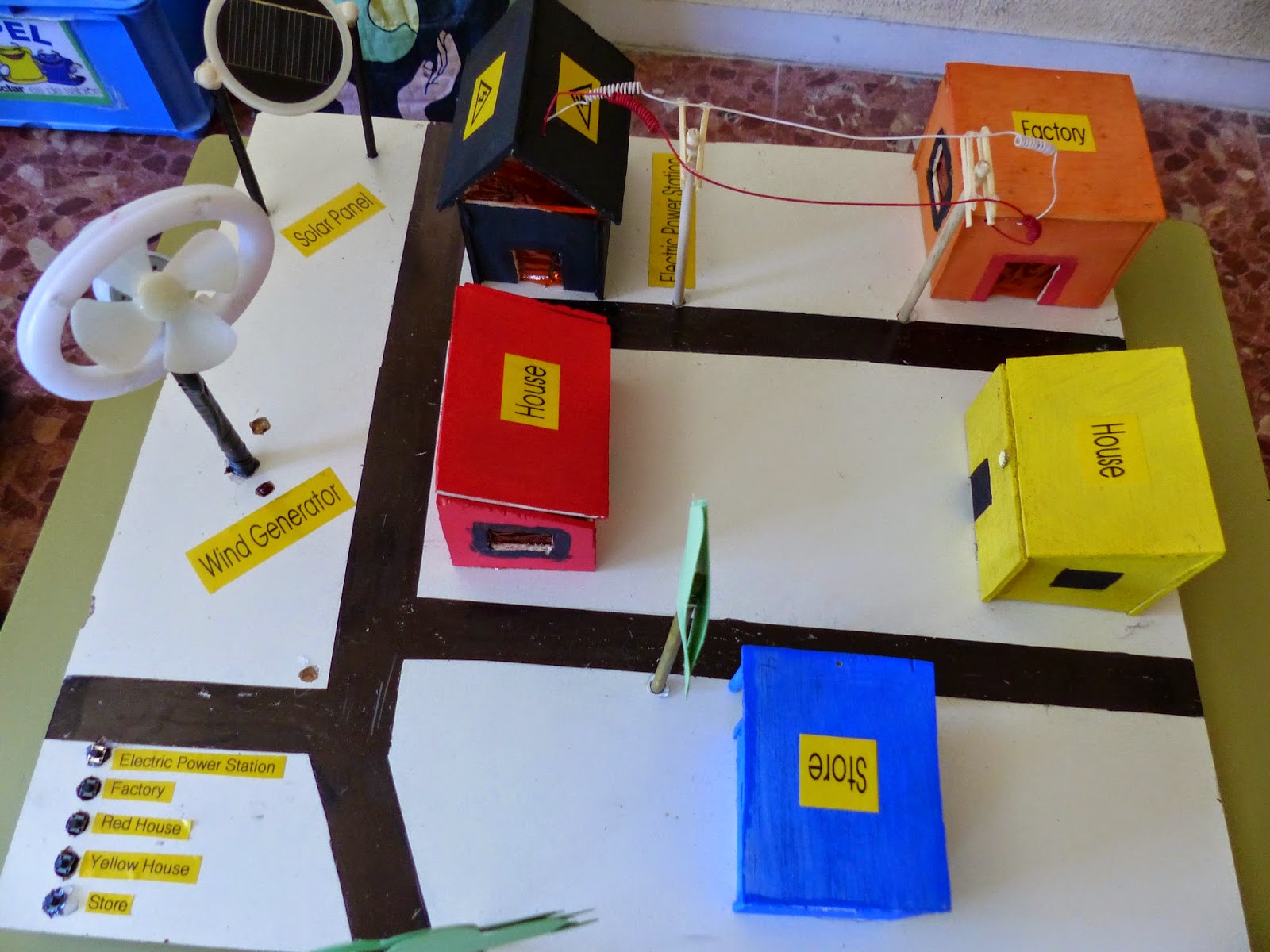
ELECTRIC CIRCUITS


Gracias por vuestra colaboración, no os perdáis lo que han hecho todos los alumnos de 5ºA Y 5º B del CEIP Villa de Cobeña.
¡Espero que os gusten!

Sara 

Daniela y Luis Ruiz

Daniela y Luis Ruiz

Diego

Paula, María y Rut

Luis Priego, Imad, Gonzalo y Jorge Javier

Noelia y Lucía Reinecke

Noelia y Lucía

César y Fabián

Irina y Laura

Leire y Elsa

Leire y Elsa

Elena y Lucía Rodríguez

Álvaro

Álvaro
Keira, Celia y Laura

Keira, Celia y Laura

Marco

Rocío, Lucía W. y Lucía Méndez

Jesús

Jesús

Francisco

Alexandra

Andrea y Claudia

Jorge

Carlos, Javier y Alejandro

Ángeles

martes, 13 de enero de 2015

PAST CONTINUOUS

The past continuous:

The past continuous, also called past progressive, is used to refer to an action that was continuous (i.e. an action that was going on) at a particular time in the past.

The form of the past continuous:

The past continuous is formed as follows:
to be in the simple past+ verb+ ing

The affirmative form:

I, he, she, itwasplaying.
you, we, theywere
Examples:
  • Yesterday evening I was watching a film, when someone knocked on the door.
  • This morning I was revising my lessons when my father came in.
  • Jim and Liza were playing tennis yesterday at 11:00.

The interrogative form:

WasI, he, she, itPlaying?
wereyou, we, they
Examples:
  • What were you doing yesterday evening?
  • And what was your mother doing?
  • Where were you going, this morning at 7:30?
  • What were Jim and Liza doing?

The negative form:

I, he, she, itwas not / wasn'tplaying.
you, we, theywere not / weren't
Examples:
  • I wasn't reading a book yesterday evening; I was watching a film.
  • My mother wasn't preparing dinner; she was working on the computer.
  • We weren't playing cards.

The use of the past continuous:

past continuous
  • We use the past continuous to say that somebody was in the middle of doing something at a certain time in the past.
    Example:
    "This time yesterday, I was doing my homework."
  • We use the past continuous to say that something happened in the middle of something else:
    Example:
    "Bob burnt his hand when he was cooking dinner yesterday"
     "While I was working in the garden, I hurt my back."

Remember:

  • "Wasn't playing" and "weren't playing" are the short forms of "was not playing" and "were not playing"

More examples:


jueves, 8 de enero de 2015

Last Christmas...

Happy New Year everyone!!!
Last Christmas we decorated our school in Arts & Crafts lessons, have a look!

CEIP Villa de Cobeña

CEIP Villa de Cobeña

CEIP Villa de Cobeña

CEIP Villa de Cobeña

CEIP Villa de Cobeña

CEIP Villa de Cobeña